According to this blog article by Nvidia:
“The next frontier of artificial intelligence is agentic AI, which uses sophisticated reasoning and iterative planning to autonomously solve complex, multi-step problems. And it’s set to enhance productivity and operations across industries.”
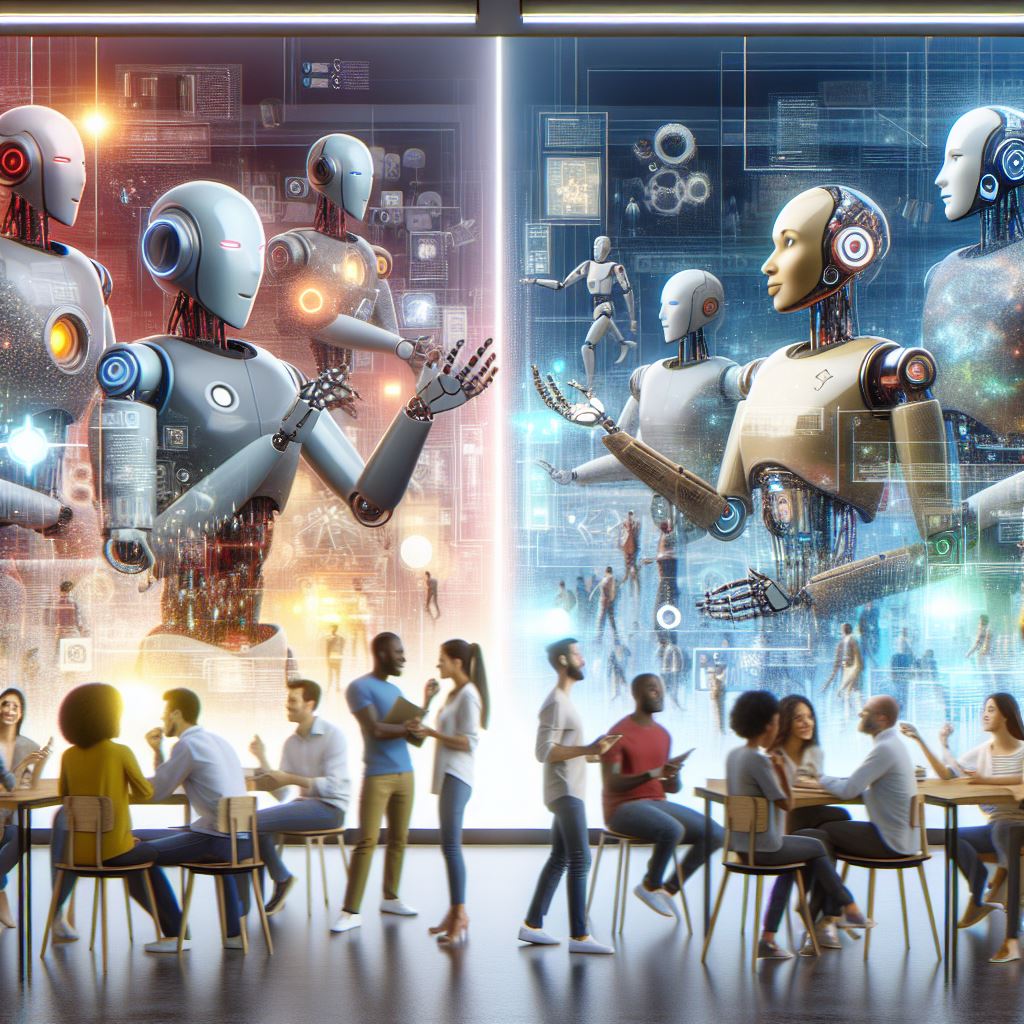
Now this is getting interesting. By putting together and allow different specialized agents to interact with each other, we can get complex tasks done. In fact this reminds me of the groundbreaking theory by Jeff Hawkins about how intelligence arises in the human brain. In his book “A Thousand Brains: A New Theory of Intelligence”, Hawkins explains that our brain doesn’t function as a single, unified processor but rather as an array of “thousand brains” — mini-models that each build their understanding of the world. He suggests that each column in the neocortex generates its own model of the world, contributing to a collective, flexible understanding of objects, spaces, and actions. This decentralized approach allows us to learn quickly, make predictions, and form abstractions.
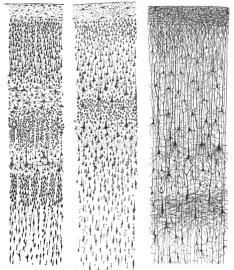
So Agentic AI seems to be one step further into creating reasoning and intelligent machines, but for now these may be limited into specialized actions. We need to model and build these workflows manually. How can this be done?
First, you need to find a “problem worth solving”. To do this you may use different innovation methods. One of my favorites is “The Innovators Method” by Nathan Furr and Jeff Dyer. This is a fours step process for discovering, defining, solving and prototyping new products or solutions.

Drawing the process you want to solve, normally this involves personas, user stories and scenarios. But not, the personas will be different specialized AI agents. Each agent needs to have specific knowledge, skills and instructions. This can be a combination of AI model, RAG and prompting.
Imagine we want to do an agent that creates a podcast of the yearly company finacial or sustainability report. Why not make it fun for people to listen to while commuting instead of a boring PDF file.
One agent can be specialized in gathering information from different sources. One agent act as an editor, in charge of the content of the podcast. Further you may have a podcast host and maybe one or more interviewed subjects. The agents perform a simulated discussion or interview around the topic. In the end you have an agent that generates natural voices and to the virtual participants. Finally one agent edits the conversation into a final podcast and publishes it on your company website. You may even have it published in multiple languages. This shows the power of Agentic AI.
Now what tools do you need to build Agentic AI? It depends on what you want to do and your skill level. With Nvidia NIM blueprints you can download optimized containers for special tasks and run it on your own Enterprise AI platform on-premises or in the cloud. This requires some infrastructure and coding skills. If you are happy to build using API’s towards AI sevices, Microsoft Autogen Studio and Crew AI may be a nice framework. Further there are some ready to use low code tools like Flowise AI, Tribe and N8N.
I’m really excited about these new possibilites, and I think Agentic AI will be a natural part of future digital platforms and application architecture. We are still in an early state of this area, and along way to go before we have “A thousand AI brains capacity” like humans.
But just as AI starts to collaborate with each other, we humans also collaborate together to utilize a larger skillset and knowledge set. Together we form a larger brain in an interconnected network of brains. In the latest book “Nexus” by Yuval Noah Harari, he explains how humans have used bureaucracy and myths to create interconnected realities to organize and enable us to acheive more together and still reduce the negative side effects with self correcting mechanisms. When AI starts collaborating in large scale, when my AI interacts with your AI, perhaps we need similar self correcting mechanisms to reduce the negative sides of AI and benefit from the positive side.


Leave a Reply